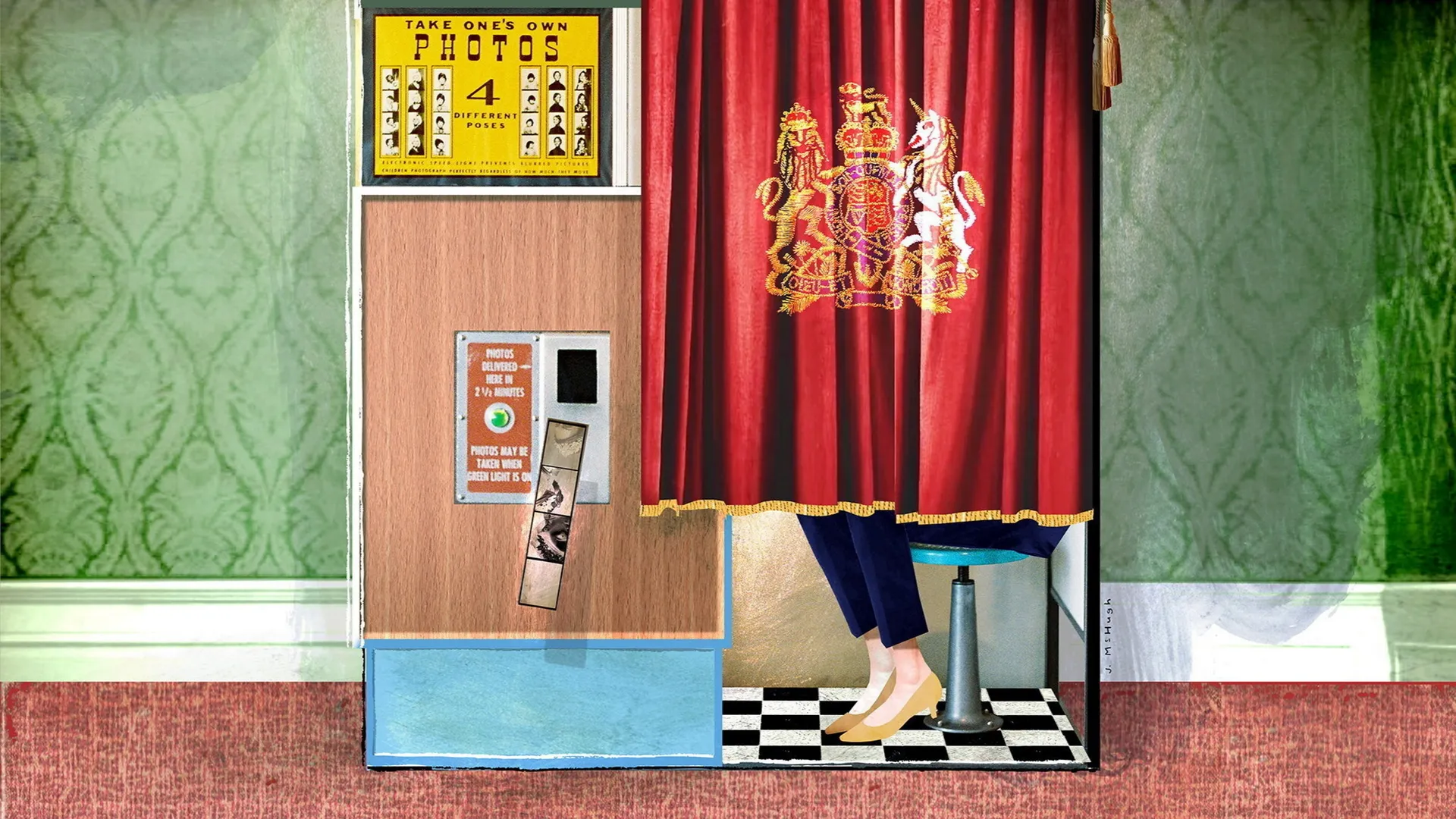
So high is the level of hysteria, it wouldn’t be surprising to discover that Princess Catherine has pricked her finger on a spinning wheel and fallen into an enchanted sleep. Since she went into hospital for abdominal surgery in January, and then remained out of view, speculation has ranged from her being in a coma, to having a facelift, to getting a divorce.
The Mother’s Day snap with her children, released in a clear attempt to end the relentless rumours, has instead stoked them. For once, the royal family must have wished for Meghan and Harry to pop up and divert attention from obsessive discussions about the photo-editing of a cardigan sleeve — all of it a cover for wanting to know what is really going on.
The travails of the Princess of Wales, who endearingly explained that she had clumsily manipulated the picture herself, are a bleak reminder of the Faustian pact between the monarchy and the public. Being on show is what has sustained the royal family for centuries. If someone disappears for too long, the public take their revenge.
In the 1860s, the widowed Queen Victoria’s prolonged period of mourning for Prince Albert led to the most serious stirring of republican sentiment since the execution of Charles I. As Victoria remained invisible, refusing to meet even foreign dignitaries, MPs and campaigners began suggesting the country could do without the monarchy, with some radicals calling for an end to the public bankrolling of the royal family. Had it not been for a failed assassination attempt that brought her public sympathy — and her Scottish ghillie John Brown urging a return to the limelight — Victoria might have been Britain’s last monarch.
The paradox for Catherine is that she is suffering partly because of her popularity. Clothes that she wears regularly sell out, and she has just topped a national poll of royals. But the obsession with her private life may also be a consequence of the accidentally over-slimmed-down institution. With Prince Andrew disgraced, the Sussex circus transplanted to California, and William cancelling some public engagements to look after the couple’s children, the number of working royals has shrunk precipitously. Responsibilities are spread thin, and the personalities to gossip about are limited.
Looming above it all, ominously, is King Charles’s cancer. At this week’s Commonwealth Day service in Westminster Abbey, the King spoke by video link.
The monarchy remains a global institution with considerable pulling power. The death of the Queen removed a much-loved figure who had been a constant presence in British life, outlasting 15 prime ministers and charming US presidents from Harry Truman to Joe Biden. In America last week, I was struck by how many people, hearing my accent, extended their best wishes for the King’s recovery. Three centuries after independence, I find many Americans more fascinated by the royals than we are. Our monarchs still play an indefinable, yet genuine role in projecting Britain.
Charles’s candour about his condition has been unprecedented, according to royal watchers. He wisely anticipated that being open about having cancer early on would be the right thing to do — and would win him some respite from inquiries about the details. Catherine and William’s advisers have not been quite so shrewd. The poor woman deserves some privacy — not least as a mother of three. Since the death of Princess Diana we have all seen the prurient horror bubble this family endures. But announcing that she would be out of action from December until Easter, with no satisfactory explanation and no public appearances, was not the best way to dampen interest.
It will do the princess’s homespun, friendly image no harm that she decided to take her own family portraits. The photo agencies seem to have delighted in issuing a “kill notice” to take the picture out of circulation and expose her lack of professionalism. But one of the absurd aspects of “Kate-Gate” is that celebrity photo retouching is routine. Portrait painters have been helping the royals for centuries. Cecil Beaton, the great society photographer, used all sorts of tricks to flatter his subjects after replacing what he called “hazardous candid camera shots”. His official 1953 Coronation portrait of Elizabeth II was in fact taken at home, according to the royal biographer Robert Hardman, with a fake Abbey backdrop.
Where should the modern line be drawn, between openness and privacy? Part of the royal family’s success has always been its mystique. “We must not let in daylight upon magic,” wrote the constitutionalist Walter Bagehot. The fairytale is built on theatricality, ceremony, duty and service: gratitude for which gives the royals a certain amount of respect for their private lives.
How will this play out? “The great advantage the royals have is time”, says Simon Lewis, former communications chief to the Queen. “They can let issues gestate”. Concerns about the prospect of Camilla becoming Queen, for example, were assuaged over a period of years while the idea was gently mooted, debated, considered.
And this is an institution that has recovered from far worse. Charles I was beheaded in 1649; the House of Hanover was dogged by sex scandals; George III lost his mind and he also lost America, which wasn’t terribly popular.
Queen Elizabeth II once said that she had to be “seen to be believed”: and that remains the bargain. The enormous goodwill towards Kate seems hard to square with the current level of prying. But they are two sides of the same coin.